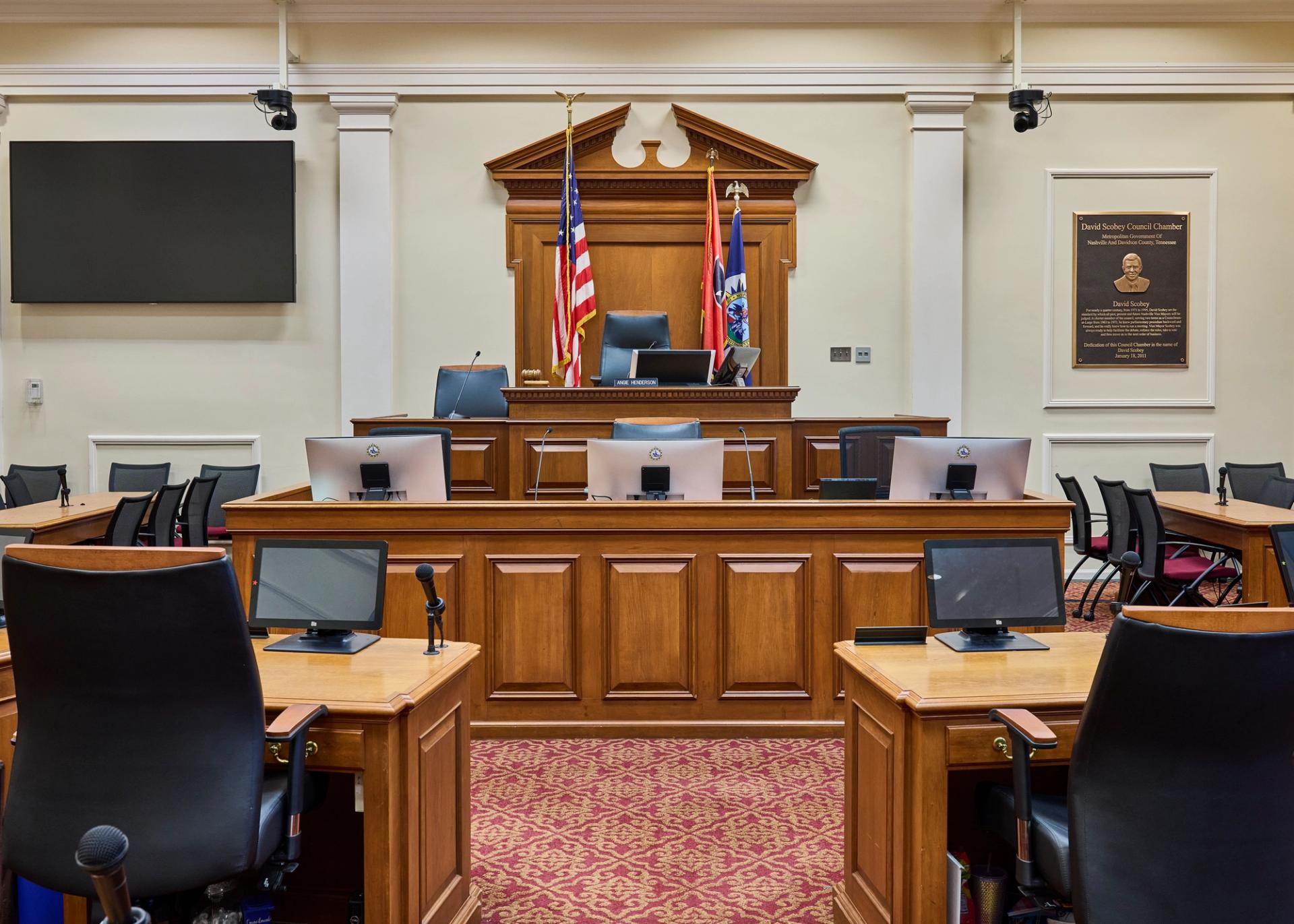
Nashville’s fiscal year 2026 budget goes into effect on July 1, 2025. Mayor Freddie O’Connell submitted his budget proposal for council approval in May, and since then, councilmembers have had public hearings to consider budget items to add. Budget and Finance Committee Chair Delishia Porterfield submitted her substitute budget based on these hearings on June 12. The council must vote and agree on a substitute budget by June 30, or the mayor’s budget will automatically go into effect.
Councilmembers can propose amendments to the substitute budget on Tuesday, June 17, so if you have opinions about the budget, let your councilmember know! Here’s your guide to what’s in the budget, and the proposed substitutions.
- Metro Nashville Public Schools make up 37.2% of the total budget, 13% greater than the 2025 budget
- $15 million for a nurse in every school
- $3.2 million for the Metro Nashville Police Department to add 23 new school resource officers
- $45 million to address affordable housing
- $49.6 million more for first responders
- Transit improvements to increase WeGo bus frequency, fund a new low-income fare program, and expand WeGo Access for riders with disabilities
- Funds for health and wellness programs like Nashville Strong Babies, HIV/STI prevention and treatment, vaccinations, mobile health programs, mental health support, and nighttime codes inspectors
- Creation of a standalone Department of Waste Services
- $8.2 million for a 2% across-the-board cost of living pay increase for Metro employees, 1% higher than in the mayor’s proposal
- $175,000 to expand food assistance programming through social services
- $75,000 to support court-appointed special advocates through the Juvenile Court
- $150,000 to fund Nashville After Zone Alliance juvenile services via the library
- $250,000 to support maternal health and doula programming via the Health Department's Strong Babies initiative
- $75,000 for the Oasis Center's emergency youth shelters via the Office of Homeless Services
- $100,000 to explore additional public-private housing partnerships
- See the rest
To fund these additional budget items, Porterfield has made several reallocations without reducing city or department services, and without increasing the overall budget or taxes. On the City Cast Nashville podcast, she explained that the “lion’s share” [about $5 million] came from adjustments to fringe benefits of vacant positions. She also reallocated money from a property loss account and contingency utility accounts.
🏗️ What’s the Capital Improvements Budget?
Metro Council has already approved the mayor’s capital improvements budget, a wish list of items the council and mayor would like to see built in the next six years. School building and renovations account for the largest chunk, followed by $140 million for proposed parkland acquisition across Antioch, Bellevue, and Hermitage.
🏘️ Where Does the Money Come From?
The city’s budget comes from a variety of taxes and city revenue, but property taxes provide the largest and most consistent source. O’Connell has proposed a property tax rate of 2.814. While that rate is lower, because property values have increased at a record rate, property taxes will be higher for many.